
Quick answer
Sichuan cuisine (川菜) is defined by má-là — the numbing tingle of Sichuan peppercorn plus chilli heat — built on fermented doubanjiang chilli-bean paste and fast, hot wok cooking. Watch it being made below, then read the full guide.
Sichuan cuisine at a glance
| Chinese name | 川菜 (Chuāncài) |
|---|---|
| Region | Sichuan & Chongqing, centred on Chengdu |
| Status | One of China's Eight Great Cuisines |
| Signature flavour | Má-là (numbing + spicy) |
| Key spice | Sichuan peppercorn (花椒) |
| Key paste | Pixian doubanjiang (chilli-bean) |
| Cooking method | Fast, hot wok stir-frying |
| Must-try | Mapo tofu, kung pao chicken, hotpot |
The má-là flavour — and beyond
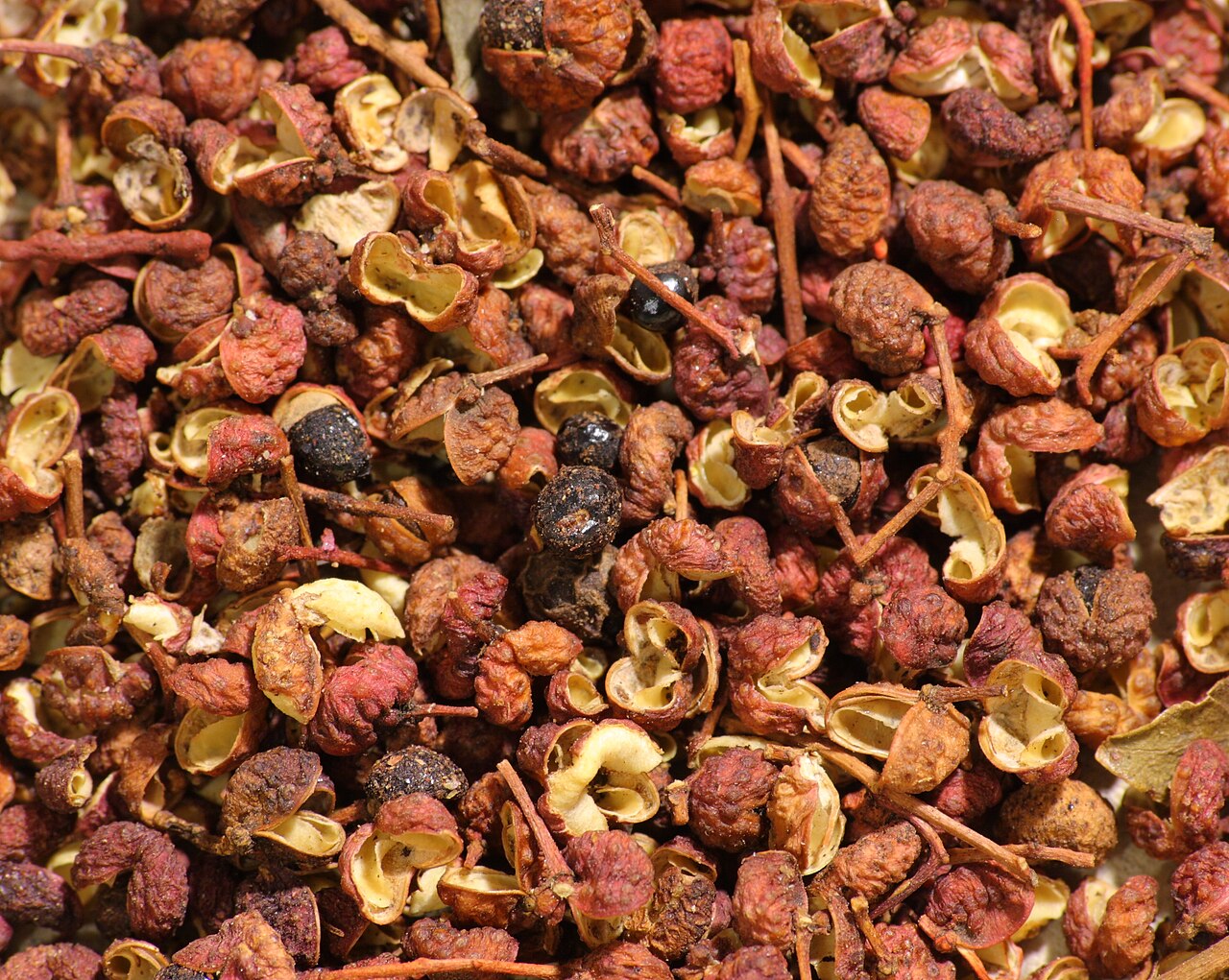
The defining sensation isn't only heat. Má (麻) is the mouth-buzzing numbness of Sichuan peppercorn; là(辣) is chilli burn. Together they create the tingling, moreish taste Sichuan is famous for. But cooks here command a whole palette — "one dish, one shape; a hundred dishes, a hundred flavours."
| Má-là (麻辣) | Numbing peppercorn + chilli heat — the signature. |
|---|---|
| Yuxiang (鱼香) | "Fish-fragrant": sweet, sour and savoury with pickled chilli. |
| Guaiwei (怪味) | "Strange flavour": salty, sweet, sour, spicy and nutty at once. |
| Hongyou (红油) | Chilli-oil dressing for cold dishes and noodles. |
The pantry that does the work
| Ingredient | Role |
|---|---|
| Sichuan peppercorn (花椒) | The citrusy husk that delivers the numbing má. |
| Pixian doubanjiang (郫县豆瓣酱) | Fermented broad-bean-and-chilli paste — the "soul" of the cuisine. |
| Dried chillies (干辣椒) | Fragrance and heat; often fried whole. |
| Fermented black beans & yacai | Deep umami and tang in countless dishes. |
The technique matters as much as the pantry: a cook heats oil until it shimmers, then blooms the aromatics — doubanjiang, peppercorn, chilli, ginger, garlic — so their flavour and colour transfer into the oil before the main ingredient is added. High heat and constant motion do the rest.
Signature dishes


Taste it — and cook it — in Chengdu
- Eat your way through the markets and snack streets — start with the Chengdu food guide.
- Take a cooking class — most Chengdu schools teach mapo tofu and kung pao chicken in a couple of hours, market visit included.
- Do a hotpot night, then balance it with a tea house the next morning.
Build it into a route with a food-themed tour, or pair it with the panda base.
Frequently asked questions
What is má-là flavour?
Má-là (麻辣) is the signature Sichuan taste combining má, the numbing tingle of Sichuan peppercorn, with là, chilli heat. The numbness and heat together — not heat alone — define the cuisine.
Why is Sichuan food numbing rather than just spicy?
Because of Sichuan peppercorn (花椒), whose husk contains compounds that create a buzzing, numbing sensation distinct from chilli heat. It is what sets Sichuan food apart.
What is doubanjiang?
Doubanjiang is a fermented chilli-and-broad-bean paste. The most prized version comes from Pixian near Chengdu and is the flavour base for many Sichuan dishes, including mapo tofu.
What are the most famous Sichuan dishes?
Mapo tofu, kung pao chicken, Sichuan hotpot, dan dan noodles, twice-cooked pork and fish-fragrant (yuxiang) eggplant are the classics.
Can I take a Sichuan cooking class as a tourist?
Yes. Chengdu has many half-day cooking schools that teach signature dishes such as mapo tofu and kung pao chicken, often with a guided market visit, in English-friendly sessions.
Keep exploring

Chengdu · City of Gastronomy
Taste your way across Sichuan
Turn these flavours into a trip — a cooking class, a hotpot night and a food-focused itinerary.

PandaTouring Newsletter
Get Travel Tips in Your Inbox
Insider guides, hidden gems, and exclusive deals for your China adventure — delivered weekly.
No spam, ever. Unsubscribe anytime.